Access issues for Harringay alleyway rubbish clearances
Posted on 30/06/2026

Alleyways can make rubbish clearance feel straightforward at first glance, then suddenly awkward the moment a bulky sofa, a broken wardrobe, or a stack of builders' offcuts needs to move through a narrow shared passage. That is the reality behind Access issues for Harringay alleyway rubbish clearances: the job is rarely difficult because of the waste itself, but because of the route, the turning space, the neighbours, and the little details that only show up on the day. If you live in Harringay, especially around tighter residential rows and rear access lanes, planning access well can be the difference between a calm clearance and a stressful one. This guide breaks down what matters, how the work is usually handled, and what to check before anything is moved.
For readers comparing clearance options, it can help to look at the wider service picture too, including the full services overview and the practical guidance in your rubbish removal needs. Those pages give useful context, but here we are focusing on the awkward bits: tight access, shared alleyways, and how to avoid the sort of delays that nobody wants on a wet Wednesday morning.
Quick takeaway: good access planning is not just about speed. It reduces lifting risk, avoids neighbour friction, and helps the clearance team remove waste without damage to fences, walls, gates, or flooring.
- Why access matters in Harringay alleyway clearances
- How the clearance process works
- Benefits of planning access properly
- Who needs this approach
- Step-by-step guidance
- Expert tips
- Common mistakes to avoid
- Tools, resources and recommendations
- Compliance and best practice
- Options and comparison
- Real-world example
- Practical checklist
- Conclusion
- Frequently asked questions
Why Access issues for Harringay alleyway rubbish clearances Matters
Access sounds like a small detail until you try to move a mattress through a narrow side gate, over an uneven path, past bins, bikes, and a neighbour's recycling boxes. Then it becomes the whole job. In Harringay, alleyway access often matters more than the amount of rubbish. A small pile can take longer than a larger one if it sits at the end of a cramped passage or behind a locked shared gate.
This matters for several reasons. First, clearance teams need enough room to move safely without scraping walls or damaging doors. Second, tight access changes how many people, what vehicle size, and what equipment are needed. Third, poor access planning can lead to delays, extra labour, or the need to rebook. Nobody likes that, least of all when the rubbish is already in the way.
There is also the neighbour factor. Shared alleyways are, by nature, shared. That means access is not only about your own convenience. It may affect residents next door, people using a rear entrance, or anyone who relies on that lane for bins, deliveries, or daily entry. A quick heads-up can save a lot of awkwardness.
And to be fair, alleyway jobs in London often reveal the same pattern: if the route is clear and measured, the clearance feels efficient. If not, everyone slows down and starts improvising. That is usually where mistakes happen.
How Access issues for Harringay alleyway rubbish clearances Works
The process starts before the crew lifts anything. A good team will usually want to understand the route from the waste to the vehicle. That means checking gate width, path width, steps, slopes, surface condition, lighting, and whether there are obstacles such as parked bikes, planters, or narrow corners that make turning difficult.
In practice, access assessment is a mix of planning and common sense. The team may ask for photos, a short video, or a description of the entry point and the storage location. If the job involves awkward items, such as wardrobes, desks, or builders' waste, they may also want to know whether items can be taken apart in advance. That can make a huge difference.
Here is how a typical alleyway clearance might unfold:
- Initial review: you explain where the waste is, how it is reached, and whether any gates or locks are involved.
- Access check: the team judges if a trolley, extra labour, or a different vehicle setup is needed.
- Clear route preparation: bins, garden tools, loose cables, and temporary obstacles are moved aside.
- Safe removal: items are carried or wheeled out carefully, with attention to narrow corners and shared surfaces.
- Final sweep: the route is checked for left-behind debris, nails, glass, or spills.
For more complex waste streams, the same access logic applies. Builders' rubble, mixed renovation waste, or garden cuttings all need different handling. If your clearance is linked to a renovation, the builders waste disposal support in Harringay can be especially relevant. For garden-heavy jobs, garden waste removal in Harringay may be the better fit.
Key Benefits and Practical Advantages
Sorting access properly is not just about avoiding hassle. It has real operational benefits that most people notice only after something goes wrong. When access is clear and realistic, the job tends to be quicker, safer, and easier to price accurately.
- Fewer delays: crews spend less time wrestling with gates, corners, and blocked routes.
- Lower risk of damage: tight manoeuvres are where scratches and knocks happen.
- Better pricing clarity: realistic access information supports a more accurate quote.
- Less manual strain: awkward lifting is reduced when the route is planned properly.
- Less neighbour friction: shared spaces stay calmer when everyone knows what is happening.
There is also a practical time-saving benefit. If a crew can see exactly where the waste is and how it will come out, they can decide whether a smaller team is enough or whether additional hands are sensible. That matters a lot in tighter parts of Harringay, where access can vary from one rear lane to the next.
And yes, the cleaner the access, the less likely you are to end up paying for avoidable complications. If you are comparing quote styles, it is worth reading how to avoid hidden charges in rubbish removal quotes. It is a useful companion piece, because access issues are one of the quieter reasons extra cost can appear.
Who This Is For and When It Makes Sense
This topic is relevant to a wider group than people first think. It is not just for homeowners with a packed shed at the end of an alley. It also matters to landlords, tenants, builders, office managers, and anyone trying to move bulky waste through a shared or tight rear access route.
Typical situations where access planning matters
- Flats with rear lane entry and no front drive
- Terraced houses sharing an alley or passage
- Garden clearances with tools, branches, and bags stored at the back
- Builders' waste stacked near a narrow service lane
- House clearances where large items need to come out piece by piece
- Office clearances in buildings with loading restrictions or tight stair access
If you are clearing a flat, especially one with limited back access, the flat rubbish clearance guide for the Harringay Ladder is a helpful read. If you are near a busier route or need a faster response, the same-day rubbish removal advice for the station area may also help you plan timing.
This makes sense whenever the route to the waste is the real bottleneck. In other words, if getting to the rubbish is harder than removing it, access planning should be treated as part of the job, not an afterthought.
Step-by-Step Guidance
If you want the clearance to run smoothly, the best approach is simple: make the route boring. Clear. Predictable. Uncomplicated. Here is a practical way to do it.
- Measure the narrow points. Check the width of gates, alley sections, and any tight corners. Even a rough tape measure reading is better than guessing.
- Identify obstacles. Bins, plant pots, bikes, broken paving slabs, low branches, and loose bags all matter.
- Look at the surface. Mud, wet leaves, uneven paving, and slippery steps can slow the team down and increase risk.
- Check lighting and visibility. If the alley is dim, especially early morning or late afternoon, note that in advance.
- Tell the team what they will be moving. A dismantled bed is very different from a full wardrobe. Same with a few bags of garden cuttings versus a heap of timber.
- Decide what can be dismantled first. Even removing a door from a wardrobe or separating a table top can save time.
- Prepare the route. Move anything that can be moved safely before the crew arrives.
- Agree who opens gates or doors. This sounds tiny, but it can save half an hour of standing around. Happens more than you'd think.
If you are unsure what kind of service fits your waste mix, start with rubbish clearance in Harringay or broader waste removal in Harringay. Those pages can help you match the job to the right type of collection before access becomes a headache.
Expert Tips for Better Results
In our experience, the best alleyway clearances are the ones where the client has already thought through the "little annoyances." Not the dramatic stuff. The small, practical things. That is where the time savings come from.
- Send photos from the route, not just the waste pile. A picture of the items is useful, but photos of the gate, path, and turning space are often more helpful.
- Tell the team if the alley is shared. That can affect timing and how the crew positions themselves.
- Keep children and pets out of the route. It sounds obvious, but during busy mornings it is easy to forget.
- Break down items where possible. Smaller sections are easier to carry through tight access.
- Check for parking constraints. A vehicle can only help if it can get reasonably near the access point.
- Be honest about awkwardness. If it is tight, say so. If the gate sticks, mention it. If there are steps, mention them twice if needed.
One small but useful habit: walk the route once before collection day, as if you are carrying the biggest item yourself. You will notice all the annoying bits at once. The low hanging branch. The wonky step. The recycling bin that nobody has moved. That five-minute walk can save a lot of fuss later.
For property owners and landlords in particular, access planning is also part of keeping a property presentable and easy to manage. If that is relevant, the article on maximising property value in Harringay makes an interesting companion read, because access and cleanliness do affect how a place feels when people view it.
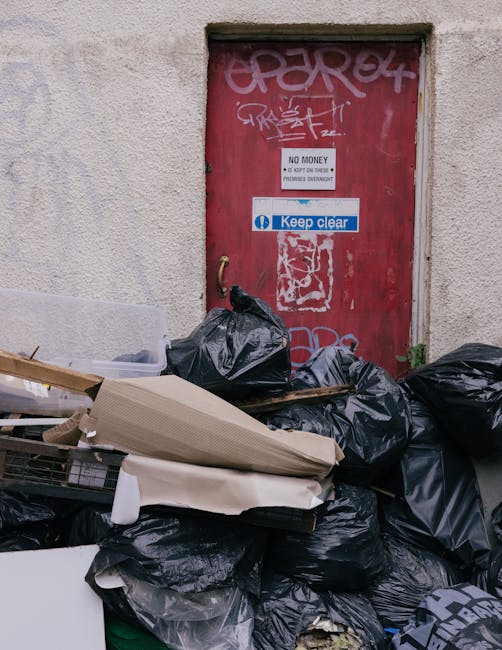
Common Mistakes to Avoid
Most access problems are avoidable. That is the frustrating part. They tend to come from assumptions, rushed planning, or a bit of wishful thinking. Everyone has done it at some point, truth be told.
- Assuming a large item will fit through the alley without measuring. It might. It might not. "Probably fine" is not a measurement.
- Leaving the route cluttered. A few extra bags or a bicycle can turn into a slowdown.
- Not warning about shared access or neighbour-controlled gates. This can lead to awkward waiting or missed windows.
- Forgetting about height as well as width. Low overhangs, branches, and canopies matter too.
- Underestimating wet weather. A slippery alley changes the pace of the job immediately.
- Booking the wrong service type. House clearance, garden waste, office clearance, and builders waste each have different practical needs.
There is one more common mistake: assuming the cheapest quote is the best quote. If access is tricky, a low quote can turn into a surprise once the team arrives and sees the reality. That is why a clear conversation upfront is worth having. The article on common bulky rubbish pickup problems in Harringay is useful if you want to see how these issues show up in real jobs.
Tools, Resources and Recommendations
You do not need specialist equipment to prepare for most alleyway rubbish clearances, but a few simple tools make the process smoother. Keep it practical. There is no prize for overcomplicating it.
| Tool or resource | What it helps with | Why it matters |
|---|---|---|
| Tape measure | Gate and path width | Prevents guesswork on item fit |
| Phone camera | Sharing access photos | Helps the team assess the route before arrival |
| Basic gloves | Light preparation and tidying | Useful for moving small bits safely |
| Torch | Dim alley inspection | Useful where the route is darker than expected |
| Bin bags or boxes | Grouping loose waste | Makes carrying easier and tidier |
As for service choices, start by identifying the waste type. If it is a home job, house clearance in Harringay may suit you. If it is work-related, office clearance in Harringay may be the better route. For less mixed loads and more general disposal, waste removal is usually the broader fit.
It can also help to review the company's information on insurance and safety, especially if you are worried about narrow passageways, shared surfaces, or awkward lifting. The more constrained the access, the more reassuring it is to know the team takes that seriously.
Law, Compliance, Standards, or Best Practice
Access issues do not exist in a vacuum. Even when the job is mainly practical, there are still legal and best-practice considerations around waste handling, safety, neighbour access, and responsible disposal. You do not need to become an expert in regulations, but you should expect the work to be carried out carefully and lawfully.
In the UK, anyone removing waste should be able to handle it responsibly, avoid creating hazards, and not leave mess or obstruction behind. If a shared alley is involved, best practice is to avoid blocking access for others for longer than necessary. That sounds simple, and it is, but it is also where good communication matters most.
Safety is a big one. Tight access increases the chance of trips, strains, and minor damage if items are dragged instead of carried. Good practice means using the right number of people, avoiding unsafe lifting, and not forcing large objects through spaces that are clearly too small. If something does not fit safely, it should be reassessed rather than wrestled through. No shortcut is worth a broken doorframe.
It is also sensible to understand the company's policies on data, payments, terms, and transparency before you book. The pages on terms and conditions, payment and security, and privacy policy are worth a look if you want the wider trust picture. For values and supply-chain commitments, you can also review the site's modern slavery statement and recycling and sustainability approach.
The point here is not paperwork for its own sake. It is reassurance. A careful operator should be able to explain how it works, what happens to the waste, and how safety is handled when access is awkward.
Options, Methods, or Comparison Table
When access is tight, there is rarely one perfect method. The best choice depends on item size, waste type, route width, and how much labour is sensible. Here is a simple comparison.
| Method | Best for | Pros | Limitations |
|---|---|---|---|
| Manual carry-out | Narrow alleyways, awkward corners, lighter loads | Flexible, careful, good for tight routes | Slower and more labour-intensive |
| Use of a trolley or sack truck | Flat, stable paths with enough width | Reduces lifting, improves speed | Useless on steps, uneven ground, or very tight turns |
| Dismantling items first | Large furniture, flat-pack items, bulky frames | Often the smartest access solution | Needs time and a sensible plan |
| Staged removal | Big jobs with mixed waste types | Organised, safer, easier to manage | Can take longer overall |
For households, manual carry-out is usually the norm when the alley is narrow. For renovation jobs, staging and dismantling become more important. If you are dealing with rubble or mixed trade waste, the specific guidance in builders waste disposal in Harringay is especially relevant because access and weight often interact in annoying ways.
Case Study or Real-World Example
Picture a typical rear alley behind a terraced property in Harringay. The waste is a mix of old shelving, a small sofa, several bags of general clutter, and a few broken bits from a DIY project. The alley is narrow, the gate sticks a little, and there is a set of uneven slabs near the middle. Nothing dramatic. Just enough to slow things down if nobody plans ahead.
In a case like that, the most useful steps are usually the least glamorous ones. The gate is opened in advance. The route is cleared of bikes and bins. The sofa is checked to see whether it can be split or carried in one piece. The broken DIY bits are grouped so there is no loose debris underfoot. The team then moves through in a steady rhythm rather than trying to force the route. It is quieter that way too. You hear the scrape of a trolley wheel, a few short instructions, and then the relief of seeing the alley empty again.
What made the difference? Not brute force. Planning. The clearance itself was ordinary, but the access management turned it into a smooth job instead of a frustrating one. That is really the point of this whole topic. Access is the hidden variable.
If you are curious about local context and how people live with these everyday practicalities, the pieces on living in Harringay from a local perspective and the character of Harringay as a London suburb give a broader sense of the area. Different tone, same reality: local access is rarely as simple as the map makes it look.
Practical Checklist
Use this before the collection day. A ten-minute check here can save a very long conversation later.
- Measure the gate or side access width.
- Check for steps, slopes, or uneven paving.
- Remove bikes, bins, tools, and loose clutter from the route.
- Make sure large items can be dismantled if needed.
- Take clear photos of the access route and the waste.
- Tell the team if the access is shared or if neighbours need to be informed.
- Confirm whether there is space for a vehicle to park near the access point.
- Check for lighting issues if the job is early or late in the day.
- Keep pets and children away from the route on clearance day.
- Have a contact person available in case the crew needs a quick decision.
Extra tip: if one object looks borderline too large, assume it will be the problem item until proven otherwise. That sounds cautious, because it is. Caution saves time here.
Get a free quote today and see how much you can save.
Conclusion
Access issues for alleyway rubbish clearances in Harringay are not glamorous, but they are absolutely central to getting the job done properly. The waste can be simple. The route can be the challenge. Once you understand that, the rest becomes easier: measure the space, clear the route, share good photos, and choose the right type of clearance for the job in front of you.
That is the real value of good access planning. Less stress. Fewer surprises. Safer movement. A cleaner finish. And, quite often, a better price because the job has been described properly from the start.
So if you are staring at a narrow alley and wondering whether your clearance is going to be a nightmare, take a breath. Most of the time, it just needs a more thoughtful plan. Nothing fancy. Just a clear route and a bit of local know-how.

 Tipper Van - Rubbish Clearance and House Clearance Prices in Harringay, N4
 Luton Van - Rubbish Clearance and House Clearance Prices in Harringay, N4


