Common problems with bulky rubbish pickup in Harringay
Posted on 22/06/2026
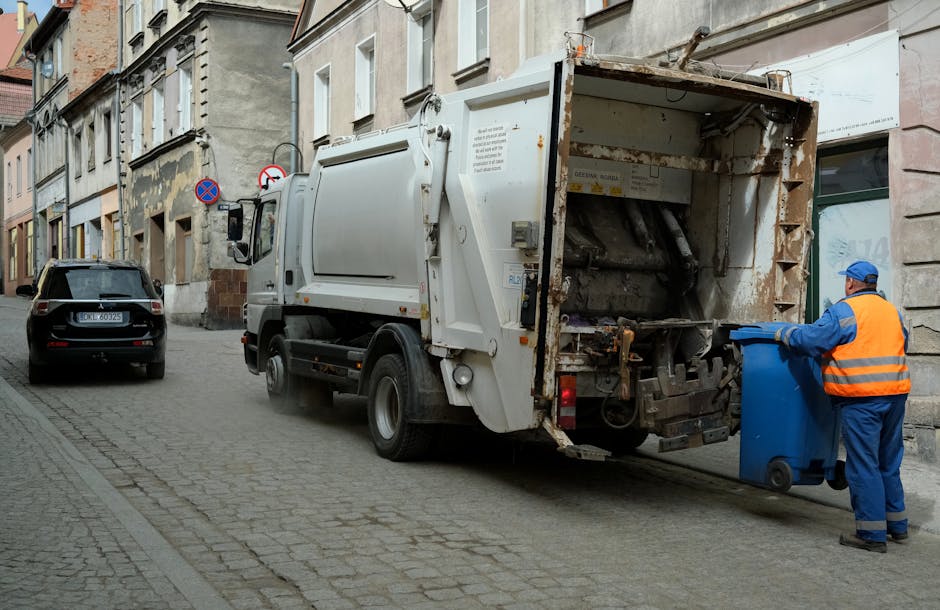
If you have ever tried to shift a broken wardrobe, an old mattress, or a pile of renovation offcuts in a busy part of North London, you will know it is rarely as straightforward as it looks. The common problems with bulky rubbish pickup in Harringay usually show up at the worst possible moment: a missed collection slot, a staircase that is far too narrow, a quote that suddenly changes, or a pile that has to sit in the hallway because nobody can get it out safely. It sounds simple on paper. In real life, not so much.
This guide looks at the issues people run into most often, why they happen, and what you can do to make the whole process calmer and more predictable. Whether you are clearing a flat near the Ladder, dealing with builders' waste after a home project, or trying to empty a shop or office, the same practical bottlenecks tend to appear. Let's face it, bulky waste is heavy, awkward, and mildly annoying at the best of times.
We will also touch on how professional rubbish clearance in Harringay can help when the job is too awkward for a normal bin day or a quick DIY run to the tip.
- Why it matters
- How bulky rubbish pickup works
- Key benefits and practical advantages
- Who this is for and when it makes sense
- Step-by-step guidance
- Expert tips for better results
- Common mistakes to avoid
- Tools, resources and recommendations
- Law, compliance, standards, or best practice
- Options, methods, or comparison table
- Case study or real-world example
- Practical checklist
- Conclusion
- Frequently asked questions
Why Common problems with bulky rubbish pickup in Harringay Matters
Bulky rubbish is not just "more rubbish". It is waste that takes up space, is awkward to move, and often needs more planning than a standard bin collection. In Harringay, that matters because the area has a mix of terraced homes, maisonettes, flats, managed buildings, side alleys, and high-footfall streets. Access can be tight. Parking can be limited. And if you leave a bulky item outside for too long, it can quickly become an eyesore, a trip hazard, or a complaint from neighbours.
That's before you even get to the practical side. A sofa can block a landing. A dismantled wardrobe can scratch walls. Old appliances can leak. Garden cuttings can spread across a path when it is windy. You know the sort of thing. The inconvenience is rarely just inconvenience; it often becomes a safety issue or a time issue as well.
For landlords, managing agents, shop owners, and homeowners preparing a sale, this can affect the way a property presents. If you are working through a move or upgrade, it may help to read more about how clearing a property can support a better purchase or sale, especially if you are trying to keep things tidy before viewings.
Key takeaway: The real problem with bulky rubbish pickup in Harringay is usually not the waste itself - it is access, timing, transparency, and safe handling all happening at once.
And yes, sometimes the hardest part is simply deciding what counts as bulky waste in the first place. An old bed frame? Definitely. Loose plasterboard from a small refurb? Usually yes, but it may need a different disposal approach. Half-dismantled shelving from an office? Very often the paperwork matters as much as the lifting.
How Common problems with bulky rubbish pickup in Harringay Works
At a basic level, bulky rubbish pickup should be straightforward. You identify the items, arrange collection, move the waste to an accessible point, and have it removed by a team with the right vehicle and loading capacity. In practice, the job becomes a chain of small decisions. If one link is off, the whole thing becomes messy.
Here is the usual flow:
- Assessment: The items are described, sometimes photographed, so the collector can judge volume, weight, and access.
- Quote or estimate: A price is offered based on the amount of waste, the labour involved, and how easy it is to remove.
- Collection planning: A time slot is agreed. In busier parts of Harringay, timing matters more than people expect.
- Loading and removal: The crew lifts, carries, and loads items using safe manual handling methods.
- Sorting and disposal: Reusable, recyclable, and general waste are separated where possible.
The main problems tend to appear at the quote stage and the access stage. For example, a quote might assume ground-floor access when the actual job involves three flights of stairs and a narrow turning point. Or a collection might be booked for a time when the street is full, meaning the vehicle cannot stop close enough to the property.
That is why a proper service overview can be helpful. If you are comparing what is included, the services overview gives a clearer picture of how different types of clearance are approached, from household jobs to more specialised removals.
In one sense, bulky rubbish pickup is a logistics task. In another, it is a risk-management task. A slightly dramatic way to put it, maybe, but true enough.
Key Benefits and Practical Advantages
When bulky rubbish pickup is handled well, the benefits are immediate. You reclaim space, reduce clutter, and avoid the slow creep of waste sitting around "just for now". That temporary pile can live in your hallway for a week before anyone knows how it happened. Then suddenly it is part of the furniture.
Practical advantages include:
- Safer movement around the property because hallways, stairs, and entrances are cleared.
- Less stress because you are not trying to guess what can fit in a car or how many trips you will need.
- Better presentation for landlords, sellers, and businesses preparing for visitors.
- Reduced risk of damage to walls, floors, and door frames during handling.
- More responsible disposal when waste is sorted rather than dumped or mixed carelessly.
There is also the time factor. If you are juggling work, family, a move, or a building project, bulky waste can eat up a whole afternoon and still not be finished. A well-run pickup prevents the classic weekend spiral: one item out, then another, then a bin bag split, then a last-minute dash for tape. Not ideal.
For projects involving renovations, it can make sense to look at a dedicated builders' waste disposal service in Harringay rather than treating rubble, timber, and mixed construction waste like ordinary household clutter. The difference is often a smoother removal and fewer awkward surprises.
Who This Is For and When It Makes Sense
Bulky rubbish pickup is useful for more people than you might first think. It is not just for large house clearances or major refurbishments. A single heavy item can be enough to make a collection worthwhile if you cannot move it yourself or if it creates a hazard.
This typically makes sense for:
- Homeowners getting rid of old furniture, mattresses, white goods, or unwanted clutter.
- Tenants moving out and needing to leave a flat clean and empty.
- Landlords and agents dealing with end-of-tenancy left-behinds.
- Home renovators with bulky offcuts, fixtures, and stripped-out materials.
- Office managers clearing desks, chairs, shelving, and obsolete equipment.
- Garden owners who need help shifting branches, soil-filled bags, or broken outdoor items.
There is a real difference between a one-off item and a full load, too. A one-off mattress pickup is simple enough. A first-floor flat with a broken sofa, a heavy wardrobe, and a pile of miscellaneous storage boxes is where access, timing, and labour start to matter. That is where people feel the friction.
If you are in a flat or maisonette, the specific challenges can stack up quickly. Narrow stairwells, limited parking, and shared entrances can make the job feel bigger than it is. A useful local read is the flat rubbish clearance guide for the Harringay Ladder, which reflects some of those access realities without overcomplicating them.
Truth be told, if you are already thinking "this is more than I want to wrestle with", that is usually a sign to get it handled properly.
Step-by-Step Guidance
Here is the simplest way to deal with bulky rubbish pickup in Harringay without turning it into a weekend saga.
- List everything you need removed. Be specific. "Old furniture" is less useful than "one sofa, one armchair, one bedside cabinet, and two broken shelves."
- Check access honestly. Count the stairs. Note whether there is lift access, a narrow hallway, parking restrictions, or a long carry from the street.
- Separate special items. White goods, electricals, wood, metal, and garden waste can all behave differently in the collection process.
- Ask for a clear price breakdown. Make sure you understand whether labour, loading, and disposal are all included.
- Choose a time that fits the street, not just your diary. In Harringay, a quiet slot can save a lot of faffing.
- Prepare the route. Move smaller items out of the way and protect surfaces if needed.
- Confirm what happens on arrival. A professional team should be able to re-check the load and explain anything that changes.
A practical tip: take a few photos before you book. Nothing fancy. Just a couple of decent images from different angles. It helps reduce misunderstandings and gives everyone a clearer picture of volume and access.
If you need a faster turnaround, especially near transport-heavy or busy local streets, a same-day option can be the difference between a tidy flat and another night sleeping beside an ancient filing cabinet. For those situations, same-day rubbish removal around the station area is a helpful local reference point.
And if you are comparing costs, do not rush the decision. A cheap quote that balloons later is worse than a realistic one from the start.
Expert Tips for Better Results
From experience, the best bulky rubbish pickups are the ones that are planned with boring accuracy. That sounds unglamorous, but it works.
- Measure the largest item first. If a sofa or mattress will not turn in the hallway, you need to know before collection day.
- Tell the truth about access. If parking is awkward, say so. If the item is on the third floor, say that too.
- Keep mixed waste separate where possible. It often makes sorting easier and can avoid delays.
- Use photographs for anything bulky or unusual. A picture beats a vague description nearly every time.
- Ask about recycling and sorting. Responsible handling matters, especially for electrical items and reusable materials.
- Book before the mess becomes urgent. Emergency clearances are doable, but they are rarely the most relaxed option.
One small but important tip: if your waste includes items from a refurbishment, keep the clean materials apart from general rubbish. It helps avoid confusion and may make the load easier to assess. Not everything needs to become a mixed heap in the front room. A bit of order goes a long way.
If sustainability is part of your decision-making, the company's recycling and sustainability approach is worth reviewing before you commit. It gives you a sense of how waste is handled beyond the collection itself.
Also, if you are moving between different household projects, keep a "remove later" pile away from the things you still need. That sounds obvious. Then again, rubbish has a strange way of blending into important stuff when you are busy.

Common Mistakes to Avoid
Most problems with bulky rubbish pickup come from a few repeat mistakes. The good news is that they are avoidable if you spot them early.
- Underestimating the volume. A heap of items always looks smaller at 8 a.m. than it does when the crew arrives.
- Ignoring access issues. Parking, staircases, shared entrances, and loading space can change the whole job.
- Mixing prohibited or awkward items with general waste. This can delay the collection or change the disposal plan.
- Forgetting about hidden charges. Ask exactly what is included and what might count as extra.
- Leaving sorting until collection day. That is how simple jobs become stressful ones.
- Assuming all bulky waste is the same. It is not. Furniture, appliances, builders' waste, and garden material may need different handling.
One of the biggest traps is thinking, "It's only a couple of items." Then you bring everything to the doorway, and suddenly there are eleven items, two bags of mixed bits, a carpet offcut, and a dusty shelf that nobody remembers buying. Happens all the time.
If cost clarity matters to you, the article on avoiding hidden charges in rubbish removal quotes is a sensible companion read. It is especially useful for anyone comparing providers or trying to decode what is really being offered.
To be fair, the mistake most people make is not laziness. It is optimism. The job looks smaller before you actually start.
Tools, Resources and Recommendations
You do not need a van full of specialist gear to manage bulky rubbish pickup, but a few simple tools can make the process smoother.
- Work gloves for grip and basic hand protection.
- Measuring tape to check if furniture can turn through doorways and stairwells.
- Strong sacks or boxes for smaller loose items.
- Protective floor coverings if you are moving heavy items through finished interiors.
- Phone camera to photograph waste before booking.
- Labels or notes if the clearance includes keep, donate, and remove piles.
In terms of useful references, it can also help to look at the wider service area and article cluster so you can match the job to the right type of clearance. For example, house clearance in Harringay is often more suitable for full-property jobs, while office clearance in Harringay is better for desks, chairs, filing, and commercial fittings.
Garden waste is its own category too. If your bulky items are mostly green material, browse the garden waste removal page for Harringay rather than treating everything as a general load.
If you want to understand the business side before booking, the pages on pricing and quotes and about the team can help you judge whether the service feels transparent and sensible. That kind of confidence matters more than people admit.
Law, Compliance, Standards, or Best Practice
Bulky rubbish pickup is not only about convenience. It also involves basic responsibilities around safety, handling, and proper disposal. While the exact rules can vary depending on the type of waste and the nature of the property, a few best-practice principles are worth keeping in mind.
Duty of care: In plain English, this means waste should be passed to a responsible collector and handled properly. You should be satisfied that the waste is not simply going to disappear into a mystery van and become someone else's problem.
Safe lifting and carrying: Heavy furniture, appliances, and mixed waste can cause injuries or property damage if lifted carelessly. A good crew will plan the route, lift as a team where needed, and avoid rushing awkward items around corners.
Special handling for certain items: Electrical goods, fridges, mattresses, plasterboard, and some mixed construction waste may need extra care or a specific disposal route. It is better to ask upfront than to find out mid-collection.
Insurance and safety: For peace of mind, especially in shared hallways or more delicate properties, it helps to know that the provider takes safety seriously. The insurance and safety information is the right place to look for that reassurance.
Privacy and access: If waste is being collected from an office or managed building, keep documents, hard drives, and personal materials out of the load unless they are meant to be disposed of securely. A cardboard box is not a filing system. Sadly.
If you are dealing with a business premises or mixed-use property, the broader waste removal in Harringay page may also be useful for understanding what sort of service fits the job best.
Best practice is simple: describe the waste accurately, prepare access sensibly, and choose a provider that explains the process in normal language. No smoke, no mirrors.
Options, Methods, or Comparison Table
There is more than one way to deal with bulky rubbish in Harringay. The right choice depends on time, access, the type of items, and how much help you want on the day.
| Method | Best for | Strengths | Common drawbacks |
|---|---|---|---|
| DIY disposal | Small loads, people with transport and spare time | Can seem cheaper at first | Multiple trips, lifting strain, parking hassle, time loss |
| Municipal or scheduled collection | Simple, qualifying bulky items | Convenient for routine clearance | Limited dates, item restrictions, less flexibility |
| Professional bulky rubbish pickup | Mixed loads, heavy items, awkward access, urgent jobs | Fast, labour included, less stress, better for tricky access | Usually costs more than doing everything yourself |
| Specialist clearance service | House clearances, offices, builders' waste, garden waste | Tailored to the waste type and property | May be more detailed to arrange, depending on the job |
If you want the most hassle-free route, professional collection is usually the strongest option for bulky waste that is heavy, awkward, or time-sensitive. If you only have one small item and easy transport, DIY might still work. The trick is being honest about the actual effort involved.
Case Study or Real-World Example
A fairly typical Harringay scenario goes like this. A resident in a first-floor flat decides to clear out an old sofa, a bed base, a broken chest of drawers, and a stack of mixed storage items before a rental inspection. At first, it sounds manageable. Then the resident realises the sofa does not quite fit around the turn on the stairs, the hallway is narrow, and parking outside is tight because of the time of day.
What helped most in that situation was not brute force. It was preparation. The items were grouped in advance, smaller loose bits were boxed, measurements were checked, and the access route was cleared before the crew arrived. The collection itself then became a straightforward load-and-go job instead of a stressful reshuffle of furniture in the middle of the staircase.
That small difference matters. A rushed pickup can leave scuffed walls, frustrated neighbours, and one badly placed item blocking the front door. A planned pickup feels almost invisible. In a good way.
The same pattern comes up with commercial spaces too. An office clearing old desks and IT furniture may discover that the issue is not the waste volume but the timing. If the pickup clashes with staff arrivals, deliveries, or building access windows, the job suddenly becomes complicated. This is why a well-matched office clearance service can be more practical than a general one-size-fits-all removal.
That is the real lesson here: the collection problem is usually a planning problem wearing a bulky coat.
Practical Checklist
Use this checklist before your bulky rubbish pickup in Harringay:
- List every item you want removed.
- Take photos of the waste from a few angles.
- Measure the largest items and key doorways.
- Check stairs, lifts, and any tight turns.
- Note parking and loading access outside the property.
- Separate reusable items, general waste, electricals, and garden waste where possible.
- Ask what is included in the price.
- Confirm whether labour, loading, and disposal are covered.
- Clear the route from the items to the exit.
- Protect floors or walls if the path is tight or delicate.
- Keep documents, valuables, and personal items out of the load.
- Choose a time slot that works with the street and your neighbours.
If you can tick off most of the list, the pickup is far more likely to be calm and efficient. It really does make a difference.
Conclusion
The common problems with bulky rubbish pickup in Harringay usually come down to the same handful of issues: awkward access, poor planning, unclear pricing, and waste that is not separated properly. None of these are especially mysterious, but they can turn a simple clearance into a tiring day if you are not prepared.
The best approach is to treat bulky waste as a logistics job, not just a lifting job. Measure things, describe them properly, think about parking and stairs, and choose the type of service that matches the load. When those basics are in place, the whole process becomes much easier. And, frankly, less irritating.
If you are still weighing up your options, it may help to compare the relevant local services, read through the pricing details, and choose the route that feels genuinely manageable rather than merely cheap. That is usually the wiser move in the long run.
Get a free quote today and see how much you can save.
Sometimes the best relief is simply seeing a space cleared properly and knowing it is done. Small win, but a real one.
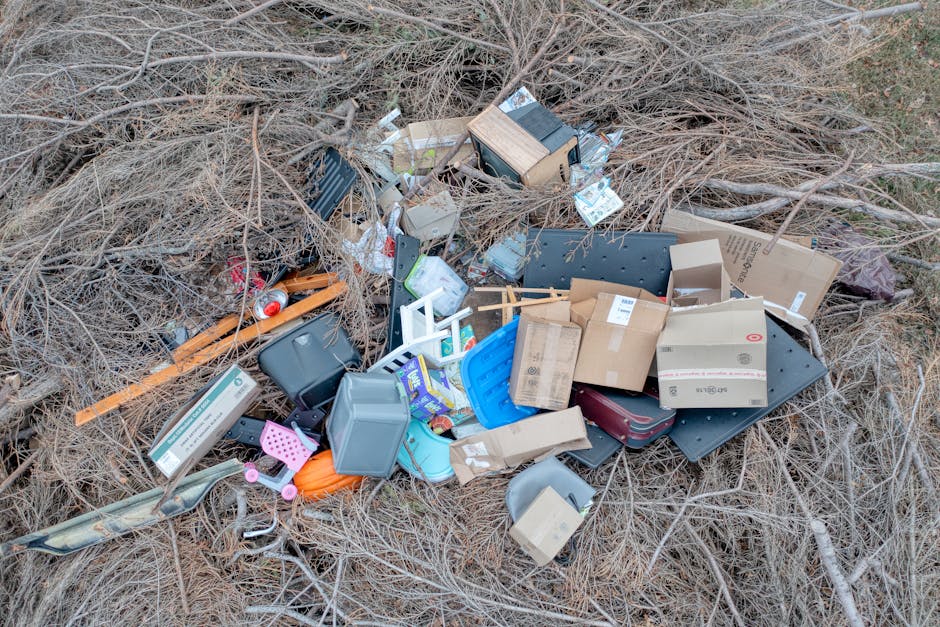
 Tipper Van - Rubbish Clearance and House Clearance Prices in Harringay, N4
 Luton Van - Rubbish Clearance and House Clearance Prices in Harringay, N4


